
Tuesday night after oliver's taekwondo class, we walked past our favorite Korean restaurant and he pressed his nose against the window, watching steam rise from sizzling Korean BBQ steak bowls with creamy sauce. "Mom, can we please go in?" he pleaded. I glanced at my watch - 7:15 PM, homework still waiting, and a $60 dinner tab we didn't need this week. Instead, I promised him we'd make an even better version at home, which earned me major side-eye until he tasted our first batch the next evening.
Why You'll Love These Korean BBQ Steak Bowls
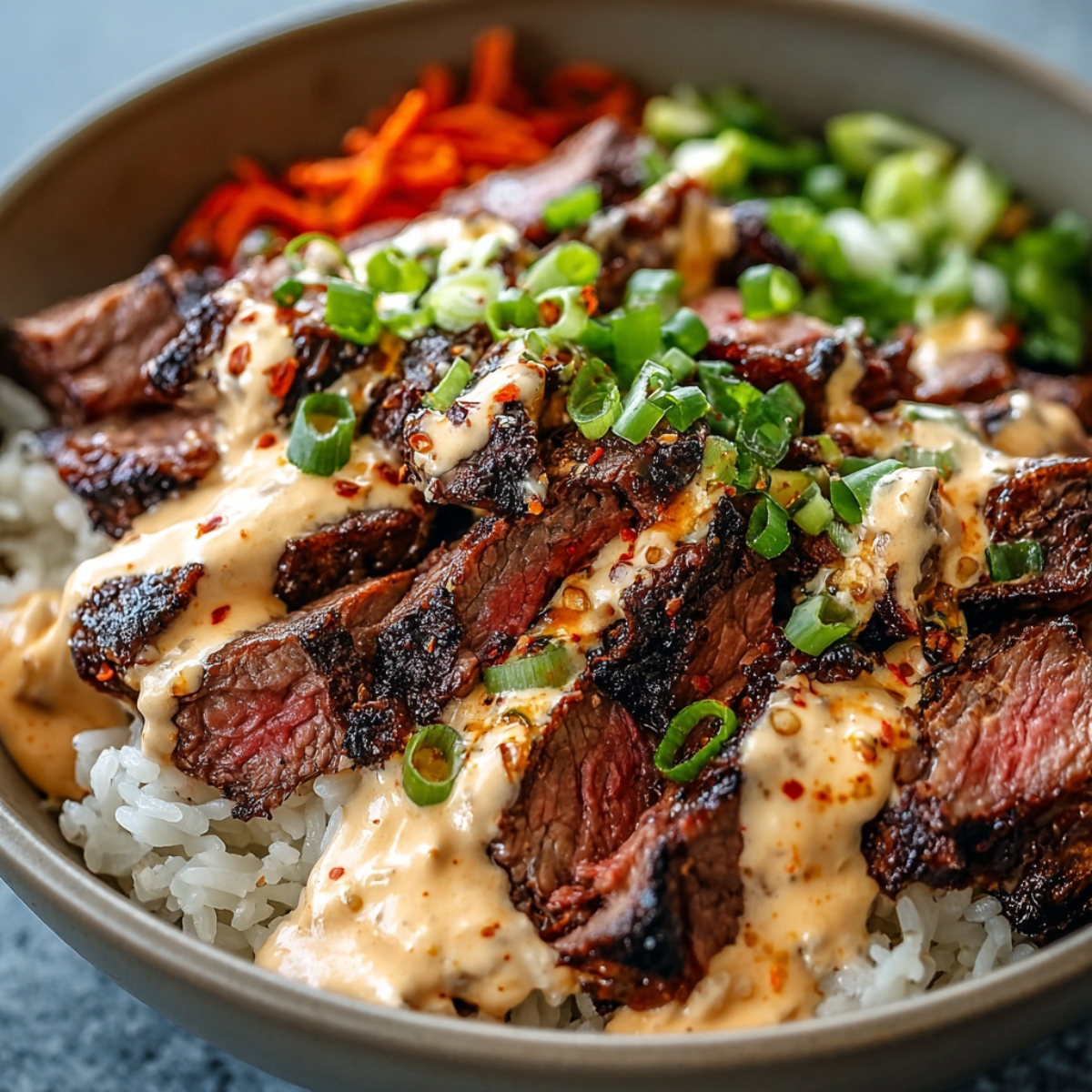
These Korean BBQ Steak Bowls transformed our weeknight routine after one batch convinced oliver that homemade could actually beat restaurant takeout. The combination of caramelized marinated steak, crisp fresh vegetables, and that silky gochujang cream sauce creates layers of flavor and texture that keep every bite interesting. What makes this Korean bowl recipe truly special is how it looks like you spent hours in the kitchen but actually comes together faster than waiting for delivery - perfect for busy families who refuse to compromise on flavor.
The genius lies in the thin-sliced marinated beef technique that I learned from Korean cooking experts - cutting against the grain and marinating briefly with sugar creates that signature caramelized crust when seared over high heat. The creamy Asian-style sauce balances the bold, savory marinade with cooling richness and just enough heat to wake up your taste buds without overwhelming them. Oliver initially hesitated at the "spicy sauce," but after one careful taste, he started drizzling it on everything in his bowl. After years of testing easy Korean-style dinner variations, this version balances authentic flavor with practical weeknight timing while keeping the ingredient list manageable for regular home cooks.
Jump to:
- Why You'll Love These Korean BBQ Steak Bowls
- Ingredients For Korean BBQ Steak Bowls
- How To Make Korean BBQ Steak Bowls
- Smart Swaps For Korean BBQ Steak Bowls
- Korean BBQ Steak Bowls Variations
- Equipment For Korean BBQ Steak Bowls
- Storage Tips
- Top Tip
- Why This Korean BBQ Steak Bowls Works
- FAQ
- Your Korean BBQ Bowl Awaits!
- Related
- Pairing
- Korean BBQ Steak Bowls
Ingredients For Korean BBQ Steak Bowls
For the Korean Steak Marinade:
- 1½ pounds flank steak or sirloin
- ¼ cup soy sauce
- 3 tablespoons brown sugar
- 2 tablespoons sesame oil
- 4 cloves garlic
- 1 tablespoon grated fresh ginger
- 2 tablespoons rice wine or mirin
- 1 tablespoon gochugaru
- 2 green onions
- 1 tablespoon cornstarch
For the Creamy Gochujang Sauce:
- ½ cup mayonnaise
- 2 tablespoons gochujang paste
- 1 tablespoon rice vinegar
- 1 tablespoon honey
- 2 teaspoons sesame oil
- 1 clove garlic
- 1-2 tablespoons water
For the Korean Bowl Assembly:
- 4 cups cooked short-grain rice
- 2 cups shredded cabbage or lettuce
- 1 large cucumber
- 2 medium carrots
- 4 radishes
- 2 tablespoons toasted sesame seeds
- Extra sliced green onions
- Kimchi
How To Make Korean BBQ Steak Bowls
Step 1: Slice and Marinate the Steak
Place your steak in the freezer for 20-30 minutes until firm but not frozen solid - this trick from professional kitchens makes slicing dramatically easier. Using a sharp knife, cut against the grain into strips about ⅛-inch thick and 2-3 inches long. In a large bowl, whisk together soy sauce, brown sugar, sesame oil, minced garlic, grated ginger, rice wine, gochugaru, and the white parts of your green onions. Add the sliced steak and cornstarch, tossing everything together until each piece is coated. Let this marinate at room temperature for 30 minutes while you prep everything else, or refrigerate for up to 4 hours if making ahead. That cornstarch isn't traditional in every Korean beef bowl recipe.
Step 2: Create the Creamy Korean Sauce
While your steak marinates, whisk together mayonnaise, gochujang paste, rice vinegar, honey, sesame oil, and minced garlic in a small bowl until completely smooth. Start with 2 tablespoons of gochujang if you're heat-sensitive (like oliver was at first), or go up to 3 tablespoons if you love spice. Add water one tablespoon at a time until you reach a drizzle-able consistency - it should flow off a spoon but not be too thin and watery. Taste and adjust with more honey for sweetness or vinegar for tang. This gochujang cream sauce keeps refrigerated for up to a week, and I often double the batch because we use it on everything from sandwiches to roasted vegetables.
Step 3: Prep Your Fresh Bowl Components
Get your rice cooking if you haven't already - short-grain white rice is most authentic, but jasmine or even brown rice works beautifully for these veggie-packed Korean bowls. While rice cooks, julienne your cucumber and carrots into matchstick pieces, thinly slice those radishes, and shred your cabbage. The key to restaurant-quality rice bowl toppings is consistent, thin cuts that look professional and are easy to eat. Arrange everything on your prep board so assembly goes quickly once that steak comes off the heat - these Korean BBQ rice bowls taste best when the meat is still sizzling hot contrasting with cool, crisp vegetables.
Step 4: Sear the Marinated Steak to Perfection
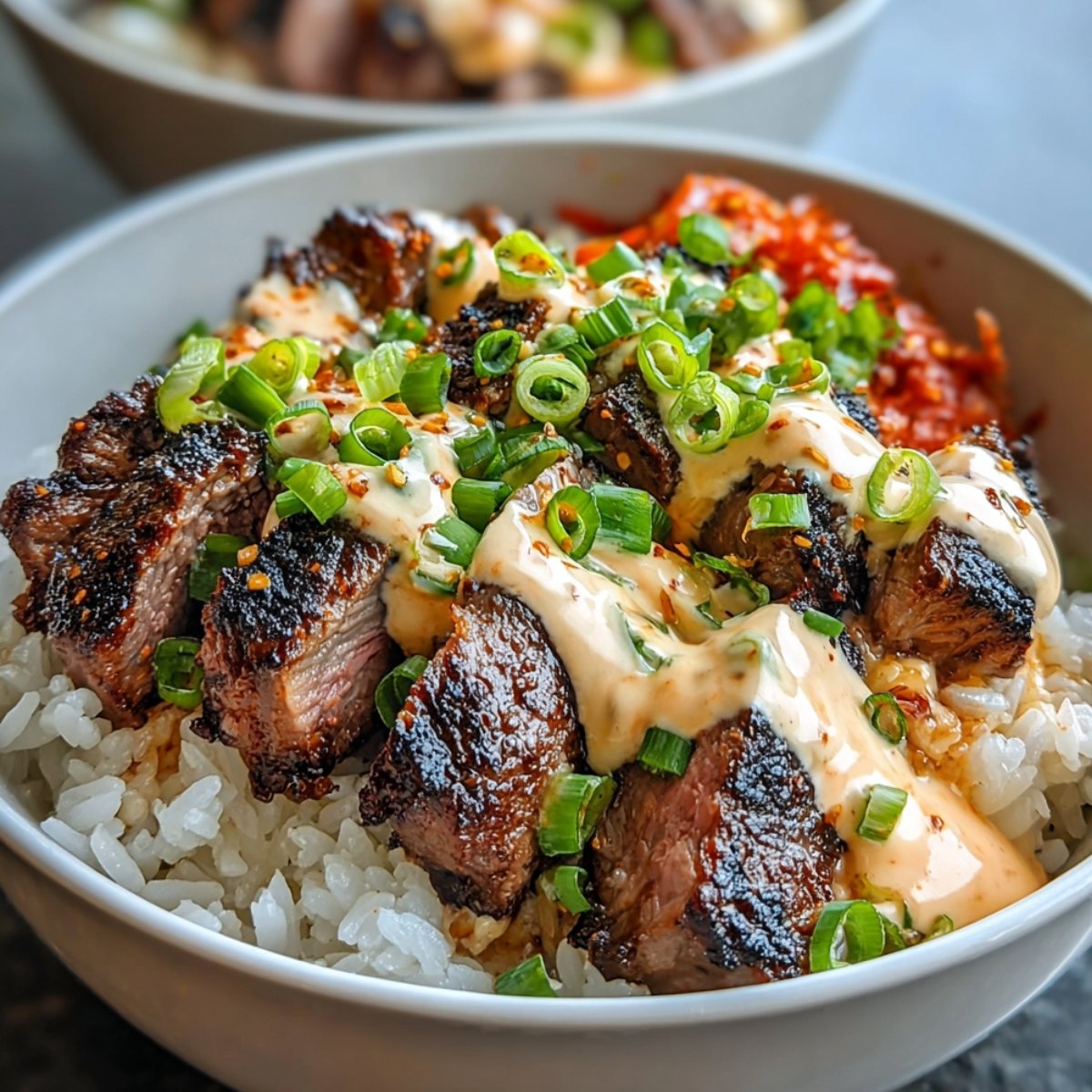
Heat a large cast iron skillet or wok over high heat until it's absolutely screaming hot - this step is crucial for that caramelized exterior. Working in batches to avoid crowding (which steams rather than sears), spread the marinated beef in a single layer. Let it sit undisturbed for 1-2 minutes until deeply browned and caramelized on the bottom. Flip and cook another 1-2 minutes until just cooked through but still tender. The sugar in the soy garlic steak marinade will create amazing browning and slight char, exactly like Korean BBQ restaurants. Remove to a plate and repeat with remaining beef, keeping finished batches warm. That high heat and quick cooking keeps the thin-sliced marinated beef incredibly tender.
Step 5: Build Your Beautiful Korean Bowls
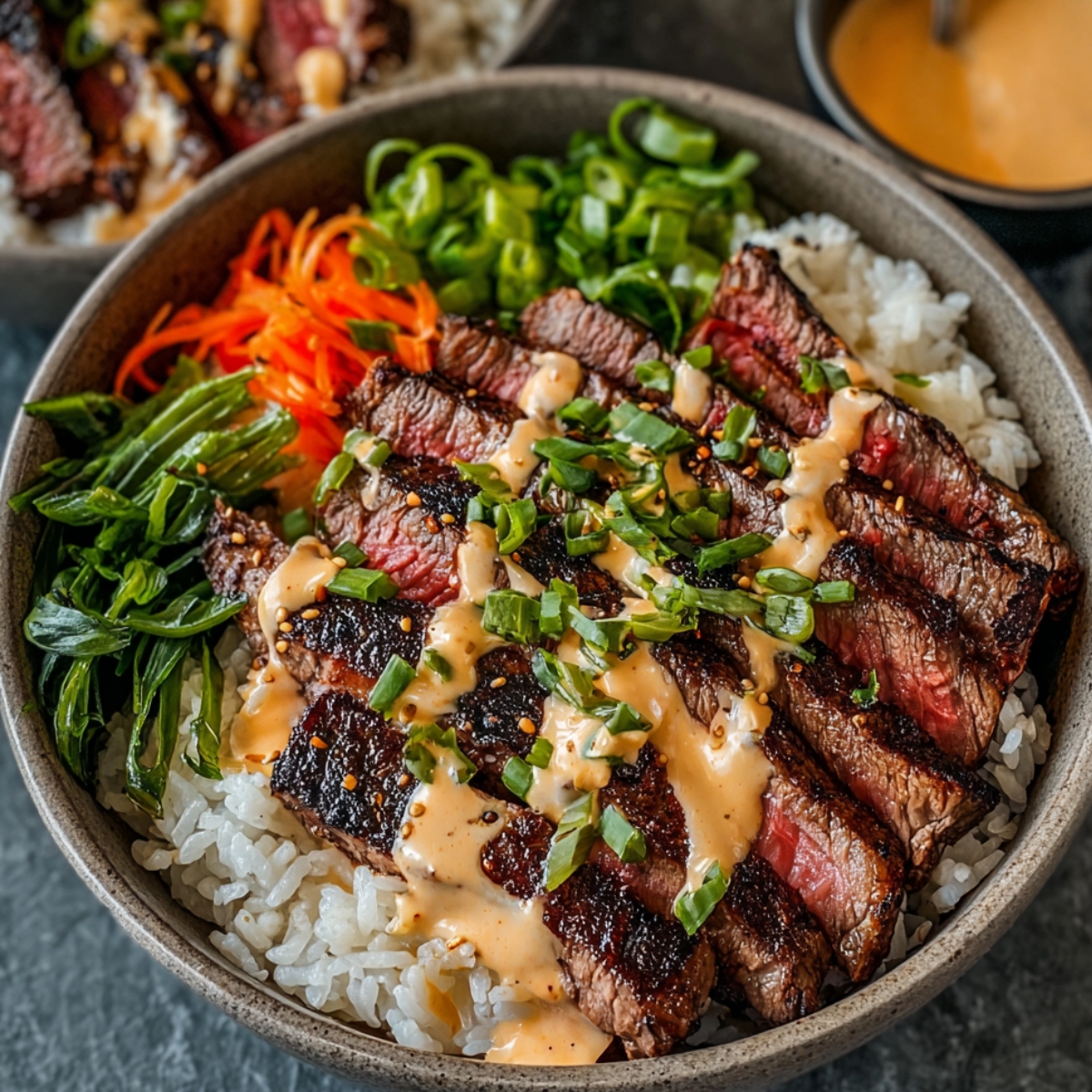
Divide warm rice among four bowls, creating a base that fills about half of each bowl. Arrange your colorful vegetables in separate sections on top of the rice for that Instagram-worthy presentation - pile the shredded cabbage, cucumber matchsticks, carrot julienne, and sliced radishes in distinct sections rather than mixing them together. Top with the hot, caramelized steak in the center, letting it slightly overlap onto the vegetables. Drizzle that creamy gochujang sauce generously over everything, then finish with toasted sesame seeds, the reserved green onion tops, and a side of kimchi if using. The visual presentation matters with these Asian-inspired steak recipes - that rainbow of colors signals the exciting flavors about to hit your taste buds.
Smart Swaps For Korean BBQ Steak Bowls
Protein Variations:
- Flank steak → Sirloin, ribeye, or skirt steak (adjust cooking time)
- Beef → Chicken thighs (same marinade works perfectly)
- Traditional → Pork tenderloin or pork belly recipe Korean style
- Meat → Extra-firm tofu (press well, double marinating time)
Sauce Alternatives:
- Mayo → Greek yogurt (lighter, tangier creamy sauce)
- Gochujang → Sriracha mixed with miso (less authentic but tasty)
- Store-bought → Homemade gochujang if you have it
- Spicy → Sweet version with just honey and sesame
Rice Options:
- White rice → Brown rice (nuttier, more fiber)
- Traditional → Cauliflower rice (low-carb option)
- Plain → Mixed with sesame oil and rice vinegar
- Regular → Forbidden black rice (dramatic presentation)
Vegetable Choices:
- Cucumber → Zucchini ribbons
- Cabbage → Napa cabbage or romaine
- Carrots → Bell peppers strips
- Radishes → Pickled daikon
Korean BBQ Steak Bowls Variations
Spicy Korean Steak Bowl
- Double the gochugaru in marinade for extra heat
- Add sliced jalapeños to the fresh vegetables
- Mix sriracha into the creamy sauce for maximum spice
- Garnish with Korean chili threads for restaurant presentation
Korean BBQ Pork Bowl
- Use thinly sliced pork belly or tenderloin instead of steak
- Add apple or pear to marinade (traditional Korean technique)
- Include kimchi and quick-pickled cucumbers
- Drizzle with spicy mayo drizzle instead of gochujang cream
Vegetarian Korean Bowl
- Marinate thick-sliced mushrooms and pressed tofu together
- Add marinated soft-boiled eggs (soy sauce and sesame oil)
- Double up on vegetables with blanched spinach
- Use cashew mayo for dairy-free creamy Asian-style sauce
Korean Bulgogi Lettuce Wraps
- Skip the rice for low-carb version
- Use butter lettuce leaves as wraps
- Add quick-pickled vegetables for crunch
- Include ssam sauce (Korean dipping sauce) alongside creamy sauce
Equipment For Korean BBQ Steak Bowls
- Cast iron skillet or carbon steel wok
- Very sharp chef's knife
- Julienne peeler
- Rice cooker
Storage Tips
Based on professional kitchen experience and meal prep testing:
Best Fresh
- Assemble bowls just before eating for optimal texture contrast
- Hot steak against cool vegetables creates the perfect experience
- Creamy sauce loses its silky texture when mixed in advance
- Fresh assembly ensures crispy vegetables and tender meat
Make Ahead Strategy
- Marinate steak up to 24 hours ahead for deeper flavor
- Make creamy gochujang sauce up to 1 week ahead, refrigerated
- Prep and store vegetables separately in airtight containers for 3 days
- Cook rice ahead and reheat with splash of water in microwave
Storage Instructions
- Store cooked steak separately from vegetables and rice for 3-4 days
- Keep sauce in small container for individual drizzling
- Vegetables stay crispest stored with paper towel to absorb moisture
- Reheat steak gently in skillet to prevent toughening
Top Tip
- Master the Thin-Slice Technique The difference between good and great Korean BBQ steak bowls with creamy sauce comes down to how you slice that meat. Partially freezing the steak isn't just a convenience - it's the professional secret to achieving those paper-thin cuts that marinate in minutes and cook in seconds. Slice against the grain, not with it, cutting perpendicular to the muscle fibers for maximum tenderness.
- Don't Skip the High-Heat Sear Your skillet needs to be smoking hot before that marinated beef hits the pan - we're talking maximum heat with good ventilation. This isn't the time to be timid about your burner settings. That intense heat creates the Maillard reaction (professional term for delicious browning) that makes restaurant Korean grilled beef taste so much better than home versions. Work in small batches even though it's tempting to dump everything in at once.
Why This Korean BBQ Steak Bowls Works
These Korean BBQ steak bowls hit that perfect sweet spot between restaurant-quality flavor and realistic weeknight cooking. The thin-sliced beef technique I learned from Korean chefs means your meat marinates in just 30 minutes instead of overnight, while still developing deep, complex flavors from the soy-sugar combination. That quick marinade also contains cornstarch - not traditional in every recipe, but it creates an incredible caramelized crust when the beef hits a screaming-hot pan, mimicking the charred edges you'd get from actual BBQ grilling.
The creamy gochujang sauce is pure genius for balancing flavors. Traditional Korean BBQ Steak Bowls can be intensely savory and slightly sweet, which is delicious but can feel one-dimensional. That cooling, rich mayo-based sauce with fermented gochujang cuts through the caramelized meat while adding gentle heat and tang. It's the same concept high-end restaurants use - contrasting temperatures and textures that make each bite more interesting than the last. Oliver initially thought the sauce would be "too spicy," but the mayo mellows the gochujang into something addictive rather than overwhelming.
FAQ
What cut of steak is best for Korean BBQ steak bowls?
Flank steak is ideal for these Korean BBQ Steak Bowls because it's flavorful, relatively affordable, and slices beautifully against the grain. From my professional cooking experience, sirloin and ribeye also work excellently - choose ribeye for maximum tenderness or sirloin for leaner meat. Avoid thick cuts like filet mignon which don't develop that crucial caramelized crust.
What ingredients go into the creamy sauce for Korean BBQ Steak Bowls?
This creamy gochujang sauce combines mayonnaise, gochujang paste, rice vinegar, honey, sesame oil, and garlic for balanced heat and richness. Based on years of recipe testing, the mayo-to-gochujang ratio of 4:1 creates perfect flavor without overwhelming heat. Add water to thin it to drizzle consistency - this creamy Korean sauce should flow smoothly over your bowl.
Can I make Korean BBQ steak bowls ahead of time?
Yes! These Korean-style steak bowls are perfect for meal prep. Marinate and cook steak up to 3 days ahead, prep vegetables and store separately, and make sauce up to a week in advance. From my meal prep experience, keep components separate and assemble just before eating so vegetables stay crisp and steak can be reheated without overcooking.
What toppings go well with Korean BBQ steak bowls?
Traditional Korean BBQ Steak Bowls toppings include kimchi, toasted sesame seeds, sliced green onions, and gochugaru for heat. I recommend adding quick-pickled cucumbers, soft-boiled eggs, crispy fried shallots, and nori strips for extra flavor and texture layers. Fresh vegetables like julienned carrots and cucumbers provide essential crunch that balances the rich, savory beef.
Your Korean BBQ Bowl Awaits!
You now have my professional techniques for creating authentic Korean BBQ Steak Bowls with creamy sauce that rival any restaurant. These quick weeknight bowls prove that impressive Asian-inspired dinners don't require hours of prep or specialty equipment - just smart techniques and bold flavors.
Craving more crowd-pleasers? Balance your meal with our Ricotta Cannoli Squares for an Italian dessert that delivers bakery-quality sweetness. Need another hearty dinner option? Our Cowboy BBQ Bacon Cheddar Chicken combines smoky, savory flavors that disappear fast. Looking for a complete one-pan meal? Try our Garlic Parmesan Chicken and Potatoes for crispy, golden perfection!
Share your Korean BBQ Steak Bowls success! Tag @SarahAndoliverKitchen and #AsianBowls. We celebrate every homemade creation!
⭐⭐⭐⭐⭐ Rate this Korean BBQ Steak Bowls and join our dinner community!
Related
Looking for other recipes like this? Try these:

Pairing
These are my favorite dishes to serve with Korean BBQ Steak Bowls


Korean BBQ Steak Bowls
Equipment
- 1 Cast iron skillet or carbon steel wok (For high-heat searing)
- 1 Sharp chef's knife (Essential for thin slicing)
- 1 Julienne peeler (Optional for vegetables)
- 1 Rice cooker or pot (For perfectly cooked rice)
Ingredients
For the Korean Steak Marinade
- 1.5 pounds flank steak or sirloin - Freeze 20-30 min for thin slicing
- ¼ cup soy sauce
- 3 tablespoons brown sugar
- 2 tablespoons sesame oil
- 4 cloves garlic - minced
- 1 tablespoon fresh ginger - grated
- 2 tablespoons rice wine or mirin
- 1 tablespoon gochugaru - Korean chili flakes
- 2 whole green onions - white parts for marinade
- 1 tablespoon cornstarch - helps caramelization
Creamy Gochujang Sauce
- ½ cup mayonnaise
- 2 tablespoons gochujang paste - adjust to taste
- 1 tablespoon rice vinegar
- 1 tablespoon honey
- 2 teaspoons sesame oil
- 1 clove garlic - minced
- 1-2 tablespoons water - thin to drizzle consistency
Bowl Assembly
- 4 cups cooked short-grain rice - warm
- 2 cups shredded cabbage or lettuce
- 1 large cucumber - julienned
- 2 medium carrots - julienned
- 4 whole radishes - thinly sliced
- 2 tablespoons toasted sesame seeds - garnish
- Sliced green onions - garnish
- Kimchi - optional
Instructions
- Freeze steak 20-30 minutes, then slice thinly against the grain (⅛-inch). Whisk all marinade ingredients. Toss steak with marinade and cornstarch. Rest 30 minutes or refrigerate up to 4 hours.
- Whisk mayonnaise, gochujang, vinegar, honey, sesame oil, and garlic. Thin with water until drizzle-able. Adjust sweetness or tang as needed.
- Cook rice. Julienne cucumber and carrots, slice radishes, and shred cabbage. Arrange components for easy assembly.
- Heat skillet/wok over high heat. Sear steak in batches 1-2 minutes per side until caramelized and cooked through. Avoid overcrowding.
- Add rice to bowls, arrange vegetables, top with hot steak, drizzle creamy sauce, and garnish with sesame seeds and green onions. Add kimchi if desired.



Leave a Reply