
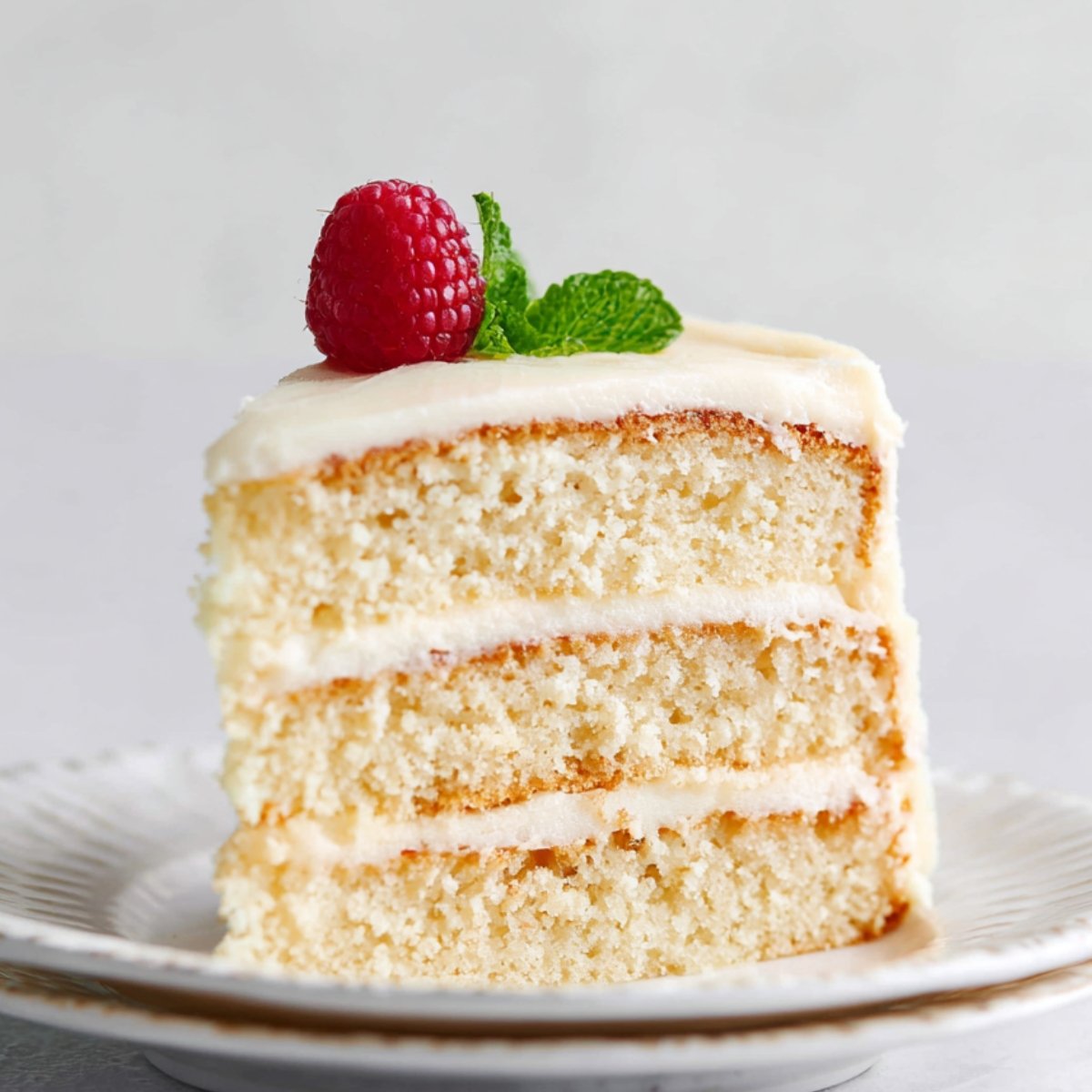
This vanilla cake is everything you want in a celebration dessert: soft, buttery layers with a tender crumb and silky vanilla buttercream that melts on your tongue. I first made this cake for my daughter's eighth birthday, and the way her face lit up when she saw those perfect golden layers still makes me smile. It's easier than you'd think to pull off bakery-style results at home.
if you love classic desserts, you might also enjoy this Easy Choux Pastry or these Easy Strawberry Shortcake Cupcakes for your next gathering
Why This Vanilla Cake Works So Well
There's a reason this Vanilla Cake has become my go-to for birthdays, anniversaries, and any time we need something special. The cake flour creates an incredibly soft crumb that practically dissolves in your mouth. The buttermilk adds a subtle tang that balances the sweetness perfectly, and using both whole eggs and extra egg whites gives you those tall, fluffy cake layers everyone raves about.
What I love most is how forgiving this Vanilla Cake is. Room temperature ingredients make all the difference (your butter should be soft enough to leave a fingerprint but not greasy), and the batter comes together without any fuss. The vanilla buttercream frosting is smooth and creamy without being overly sweet, which means you can actually taste the vanilla in every bite.
Jump to:
Vanilla Cake Ingredients
Here's what you need to make this soft and moist vanilla cake from scratch.
See Recipe Card Below This Post For Ingredient Quantities
For the Cake:
- Cake flour: Creates that fine, tender crumb that makes this cake so soft. Spooning and leveling the flour (rather than scooping) prevents the batter from becoming too dense.
- Salt: Enhances all the other flavors and keeps the sweetness balanced.
- Baking powder and baking soda: Work together to give the cake its lift and light texture. The baking soda also reacts with the buttermilk for extra tenderness.
- Unsalted butter: Adds richness and moisture. Make sure it's softened to room temperature so it creams properly with the sugar.
- Granulated sugar: Sweetens the cake and helps create a light, fluffy texture when beaten with the butter.
- Eggs and egg whites: The whole eggs add structure and moisture, while the extra whites contribute to the cake's height and soft texture.
- Pure vanilla extract: This is a vanilla birthday cake, so use the good stuff. Pure extract makes a noticeable difference in flavor.
- Buttermilk: Keeps the crumb incredibly moist and adds a slight tang that balances the sweetness. Room temperature buttermilk blends more smoothly into the batter.
For the Vanilla Buttercream:
- Unsalted butter: The base of this vanilla buttercream frosting. Softened butter whips up light and creamy.
- Confectioners' sugar: Sweetens and thickens the frosting. Sifting it first helps avoid lumps.
- Whole milk or heavy cream: Thins the frosting to the perfect spreading consistency. Add a little at a time until you get the texture you want.
- Pure vanilla extract: Gives the frosting its classic vanilla flavor.
- Salt: Just a pinch to keep the frosting from tasting flat or overly sweet.
How to Make Vanilla Cake
Follow these steps to create perfect homemade vanilla cake layers with smooth, creamy frosting.
Preheat the oven and prepare pans: Preheat your oven to 350°F (177°C). Grease three 9-inch cake pans well, then line the bottoms with parchment paper rounds and grease the paper too. This double layer of protection makes removing the cakes so much easier.
Whisk the dry ingredients: In a medium bowl, whisk together the cake flour, salt, baking powder, and baking soda until everything is evenly distributed. Set this aside while you work on the wet ingredients.
Cream butter and sugar: Using a handheld or stand mixer fitted with the paddle attachment, beat the softened butter and granulated sugar together on high speed for about 3 minutes. The mixture should look pale, fluffy, and smooth. Scrape down the sides of the bowl as needed.
Add eggs and vanilla: Add the 3 whole eggs, 2 egg whites, and vanilla extract to the butter mixture. Beat on high speed for 2 minutes until everything is well combined. Don't worry if the mixture looks a little curdled at this stage; it'll come together when you add the flour. Scrape the bowl again to make sure everything is incorporated.
Combine wet and dry ingredients: With the mixer on low speed, add the dry ingredients in two or three additions, mixing just until you don't see any more flour streaks. Pour in the buttermilk gradually and mix until the batter is smooth and slightly thick. Don't overmix, or the cake can turn out tough.
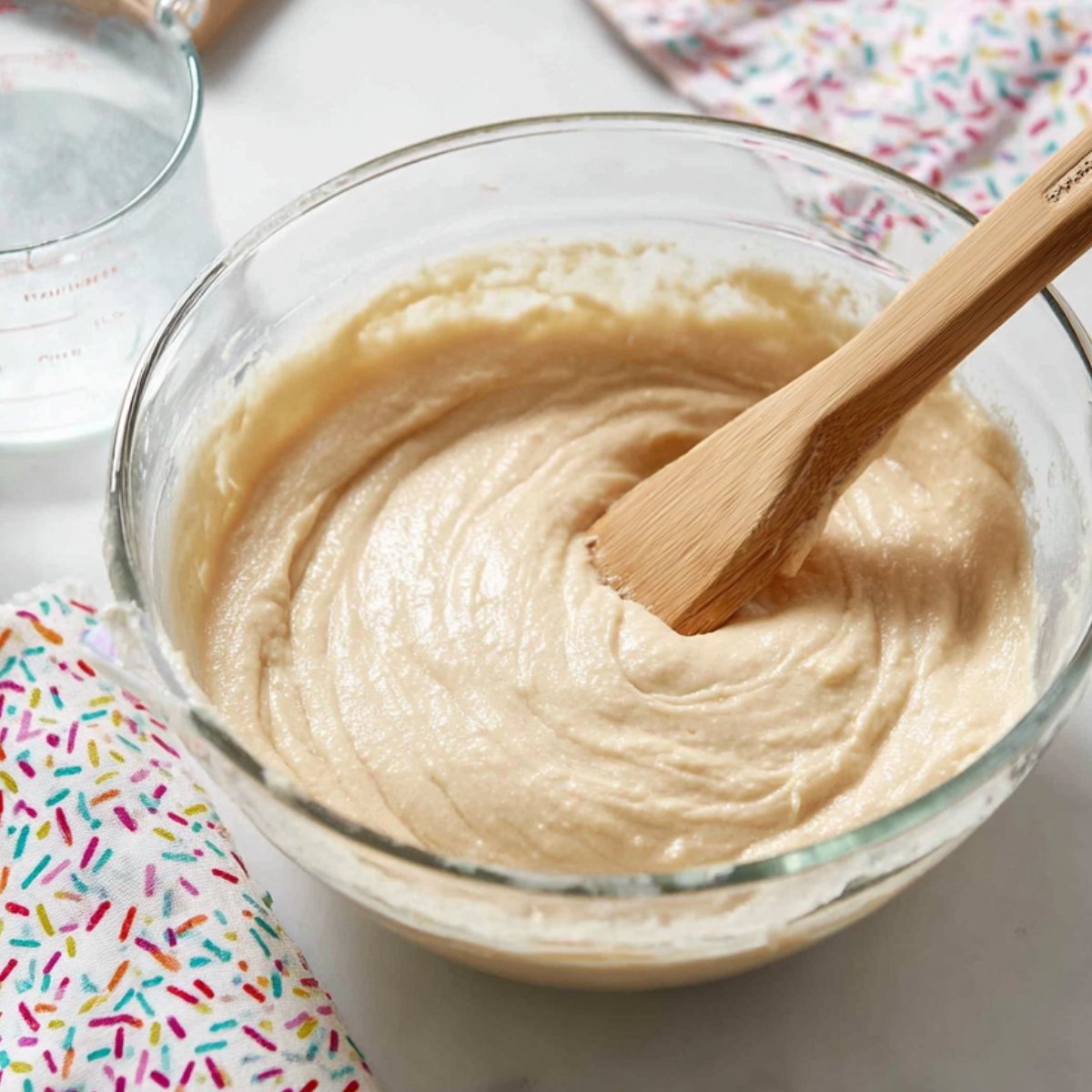
Divide and bake: Evenly divide the batter among your three prepared pans. If you want to be precise, you can weigh the pans to make sure each one has the same amount. Bake for 23 to 26 minutes, or until a toothpick inserted in the center comes out clean and the tops spring back when lightly pressed.
Cool completely: Let the cakes cool in the pans on a wire rack for about 10 minutes, then carefully turn them out onto the rack to cool completely. This usually takes about an hour. Make sure they're totally cool before you start frosting, or the buttercream will melt.
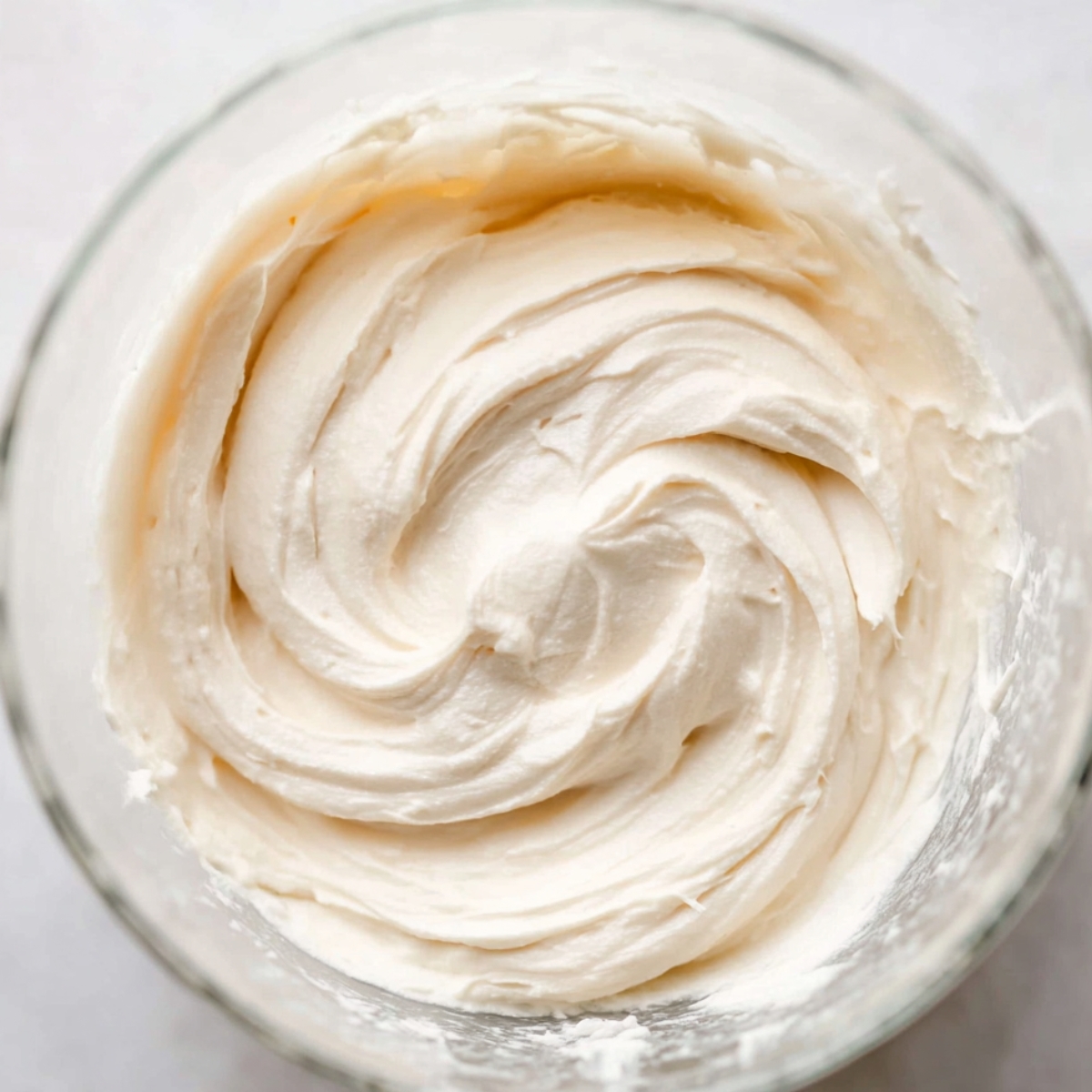
Make the buttercream: In a large bowl, beat the softened butter with a mixer on medium speed for about 2 minutes until it's creamy and smooth. Add the confectioners' sugar, milk, vanilla extract, and salt with the mixer on low speed to avoid a sugar cloud. Once everything is combined, increase the speed to high and beat for 2 minutes until the frosting is light and fluffy. If it's too thick, add a bit more milk. If it's too thin, add more sugar.
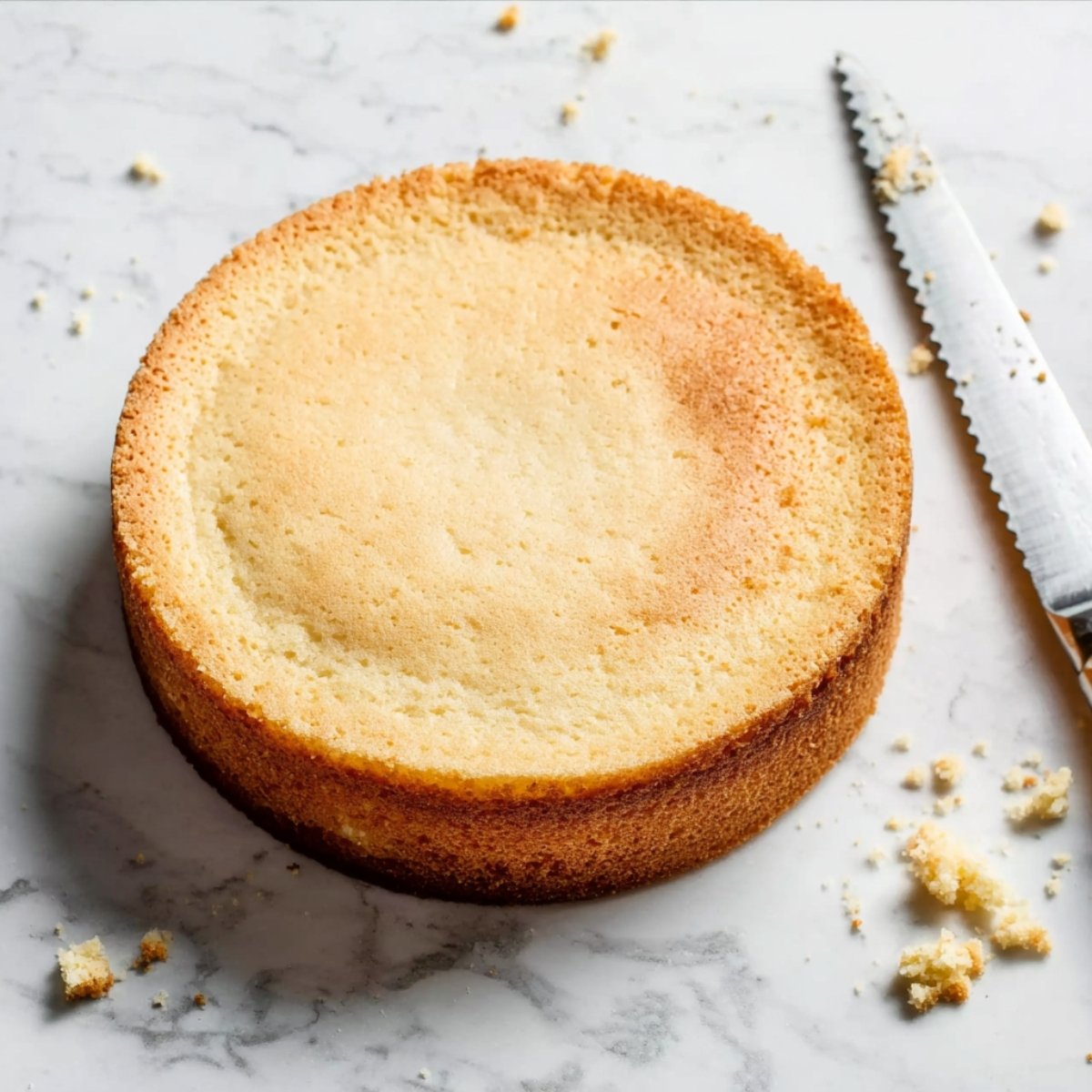
Level and assemble: Use a serrated knife to slice a thin layer off the top of each cake to create a flat surface. Place the first layer on a cake stand or serving plate. Spread about 1 and ½ cups of frosting evenly over the top, all the way to the edges. Add the second layer, frost it the same way, then add the third layer. Use the remaining frosting to cover the top and sides of the cake with a spatula, smoothing it as you go.
Chill before serving: Refrigerate the assembled cake for at least 1 hour. This helps the frosting set and makes the cake much easier to slice cleanly.
Serve and store: Slice into generous pieces and enjoy. Store any leftover cake tightly covered in the refrigerator for up to 5 days. The cake actually tastes even better the next day as the flavors meld together.
Substitutions and Variations
No buttermilk? Make your own by adding 1 and ½ tablespoons of white vinegar or lemon juice to 1 and ½ cups of regular milk. Let it sit for 5 minutes before using.
Different pan sizes: You can bake this in two 9-inch pans (increase baking time to 30 to 35 minutes) or as cupcakes (bake for 18 to 22 minutes).
Flavor twists: Add a teaspoon of almond extract for a subtle nutty flavor, or fold in ½ cup of sprinkles to the batter for a funfetti-style Vanilla Cake.
Coconut oil option: Some people ask about using coconut oil instead of butter. You can try it, but the texture and flavor won't be quite the same. Butter gives you that classic, rich taste.
Different frosting: Cream cheese frosting or chocolate buttercream both pair beautifully with this vanilla cake.
Equipment For Vanilla Cake
- 9-inch round cake pans: Three pans give you those gorgeous tall layers. Make sure they're at least 2 inches deep.
- Handheld or stand mixer with paddle attachment: Makes creaming the butter and sugar quick and easy, and ensures your frosting is smooth and fluffy.
- Silicone spatula: Perfect for scraping down the bowl and folding ingredients together without deflating the batter.
- Cooling rack: Allows air to circulate around the cakes so they cool evenly and don't get soggy on the bottom.
- Icing spatula: An offset spatula makes frosting the cake so much easier, especially when you're working on the sides.
- Cake turntable (optional): Not essential, but it makes frosting and decorating much smoother and more professional-looking.
Storage and Make-Ahead Tips
Room temperature: This Vanilla Cake can sit out at room temperature for a few hours if you're serving it at a party, but it's best stored in the fridge because of the buttercream.
Refrigerator: Cover the cake loosely with plastic wrap or store it in a cake carrier. It'll stay fresh for up to 5 days in the fridge.
Freezer: You can freeze unfrosted Vanilla Cake layers wrapped tightly in plastic wrap and aluminum foil for up to 3 months. Thaw them overnight in the fridge before frosting. You can also freeze the assembled cake; just let it firm up in the freezer uncovered first, then wrap it well.
Make-ahead: Bake the layers a day or two in advance and keep them wrapped at room temperature. The frosting can also be made ahead and stored in the fridge for up to a week. Just bring it to room temperature and give it a quick beat before using.
Serving Suggestions
With fresh berries: A handful of fresh strawberries, raspberries, or blueberries on the side adds a pop of color and a tart contrast to the sweet frosting.
Alongside coffee or tea: This Vanilla Cake is perfect for an afternoon treat. The vanilla flavor pairs beautifully with a hot cup of coffee.
For celebrations: Top with candles for birthdays, or add fresh flowers for weddings and showers. The simple, elegant look works for any occasion.
With ice cream: A scoop of vanilla or strawberry ice cream turns this into an even more indulgent dessert. Try it with the Butterfinger Balls on the sidde for a fun twist.
Expert Tips
Room temperature matters: Cold eggs and buttermilk won't blend as smoothly into the batter. Set them out about 30 minutes before you start baking.
Don't overmix: Once you add the flour, mix just until you don't see any streaks. Overmixing develops the gluten and makes the Vanilla Cake tough instead of tender.
Weigh your pans: If you have a kitchen scale, weigh each pan after filling to make sure the layers are even. This helps them bake at the same rate and makes stacking easier.
Cool completely: I know it's tempting to frost a warm Vanilla Cake , but the buttercream will slide right off. Patience pays off here.
Crumb coat first: For a super smooth finish, spread a thin layer of frosting over the entire cake first (this is called a crumb coat), chill it for 20 minutes, then add the final layer of frosting. It traps any loose crumbs and gives you a cleaner look.
FAQ
What is the secret to a good vanilla cake?
Room temperature ingredients, quality vanilla extract, and not overmixing the batter. Creaming the butter and sugar properly also creates that light, fluffy texture everyone loves. Oh, and don't skip the buttermilk; it keeps everything moist and tender.
What are the basic ingredients for a vanilla cake?
You need flour, butter, sugar, eggs, vanilla extract, baking powder, baking soda, salt, and buttermilk. For the frosting, it's just butter, powdered sugar, milk, vanilla, and a pinch of salt. Simple pantry staples that come together beautifully.
What's the easiest vanilla cake to make?
This vanilla cake is surprisingly easy, even for beginners. The steps are straightforward, and the batter is forgiving. If you're looking for something even simpler, a basic sheet cake or the Moist Chocolate Mayonnaise Cake might be good starting points too.
What's a good cake for beginners?
A classic vanilla or chocolate cake is perfect for beginners because the techniques are simple and the results are reliable. This recipe walks you through each step, so you'll feel confident even if it's your first time making a layer cake. Start here, and you'll be decorating like a pro in no time.
Related
Looking for other recipes like this? Try these:

Pairing
These are my favorite dishes to serve with Vanilla Cake



Vanilla Cake
Ingredients
Cake:
- 3and ⅔ cups 433g cake flour spooned & leveled for accuracy
- 1 teaspoon salt
- 2 teaspoons baking powder
- ¾ teaspoon baking soda
- 1and ½ cups 340g unsalted butter softened at room temperature
- 2 cups 400g granulated sugar
- 3 large eggs at room temperature
- 2 large egg whites at room temperature
- 1 Tablespoon pure vanilla extract
- 11and ½ cups 360ml buttermilk at room temperature
- Vanilla Buttercream:
Vanilla Buttercream:
- 1and ½ cups 340g unsalted butter softened at room temperature
- 5and ½ cups 650g confectioners' sugar
- ⅓ cup 80ml whole milk or heavy cream
- 1and ½ teaspoons pure vanilla extract
- ⅛ teaspoon salt
Instructions
- Preheat the oven to 350°F (177°C). Grease three 9-inch cake pans, line with parchment paper rounds, and grease the parchment.
- Whisk together cake flour, salt, baking powder, and baking soda in a bowl. Set aside.
- Beat the butter and sugar together on high speed until creamy, about 3 minutes. Scrape the bowl as needed.
- Add the eggs, egg whites, and vanilla extract, and beat until combined, about 2 minutes. The mixture may look curdled.
- On low speed, gradually add the dry ingredients, mixing just until combined. With the mixer on low, add buttermilk and mix until fully incorporated.
- Divide the batter evenly between the prepared cake pans. Bake for 23-26 minutes, or until a toothpick inserted into the center comes out clean. Allow cakes to cool completely in the pans on a wire rack.
- For the frosting, beat the butter on medium speed until smooth, about 2 minutes.
- Add confectioners' sugar, milk, vanilla, and salt. Beat on low speed until combined, then increase to high and beat for 2 minutes until fluffy.
- Once the cakes are cool, level the tops with a serrated knife. Discard or crumble the tops over ice cream.
- Place the first layer of cake on a cake stand or plate. Spread about 1 and ½ cups of frosting over the top. Top with the second cake layer and frost again. Finish with the third layer, and cover the cake with the remaining frosting.
- Chill the cake in the refrigerator for at least 1 hour to help it hold its shape when slicing.

Leave a Reply