
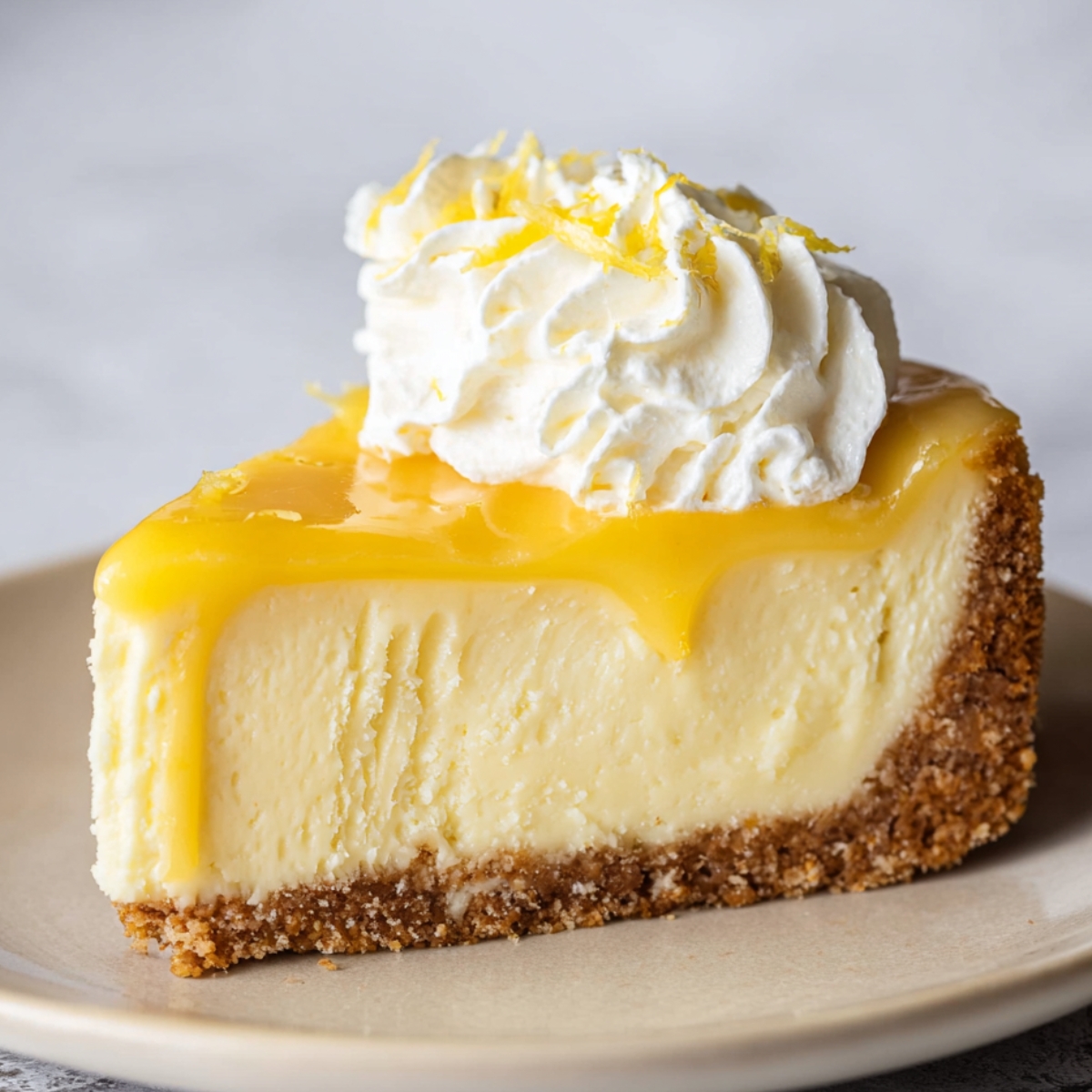
This creamy lemon cheesecake has everything you want in a dessert: a buttery graham cracker crust, silky smooth filling with bright citrus flavor, and a glossy layer of homemade lemon curd on top. I first made this for my sister Lina's birthday three years ago, and she still asks for it every spring. The best part? You can make it a day ahead, so there's no last-minute stress.
If you love citrus desserts, you might also enjoy this Easy Vanilla Cinnamon Pie Recipe in Just 55 Minutes or these Tiramisu Cookies Recipe - Easy Coffee Cookies in 1 Hour. And if you're craving something rich and fruity, try my Chocolate Raspberry Cupcakes Recipe - Easy & Decadent.
Why This Lemon Cheesecake Works
The secret is in the details. Room temperature ingredients blend smoothly, creating that velvety texture you want. The water bath keeps the Lemon Cheesecake from cracking, and the slow oven cooling prevents sudden temperature changes. Fresh lemon juice and zest give you authentic citrus flavor, not artificial sweetness.
This Lemon Cheesecake makes a tall, bakery-style cheesecake that feeds a crowd. The graham cracker crust is sturdy enough to hold everything together, and the lemon curd topping adds an extra layer of tangy sweetness.
Jump to:
Lemon Cheesecake Ingredients
Here's what you need to make this Lemon Cheesecake, creamy dessert.
See Recipe Card Below This Post For ingtedient Quantites
Graham Cracker Crust
- Graham cracker crumbs: Forms the base and adds a subtle sweetness. You can buy pre-made crumbs or pulse whole crackers in a food processor.
- Unsalted butter: Melted butter binds the crumbs together and helps the crust hold its shape when baked.
- Granulated sugar: Adds sweetness to balance the slight saltiness of the crackers.
Cheesecake Filling
- Granulated sugar: Sweetens the filling and balances the tartness of the lemon juice.
- Lemon zest: Pulsed with sugar to release the citrus oils, this gives the cheesecake its bright, fresh flavor.
- Full-fat brick cream cheese: The base of the filling. Make sure it's softened to room temperature so it blends smoothly without lumps.
- Fresh lemon juice: Provides the tangy citrus flavor. Bottled juice doesn't taste the same, so use fresh lemons.
- Sour cream or plain yogurt: Adds a slight tang and helps create that creamy, smooth texture.
- Pure vanilla extract: Rounds out the flavors and adds warmth.
- Large eggs: Binds the filling together and gives the cheesecake structure. Room temperature eggs mix in more easily.
Toppings
- Lemon curd: A glossy, tangy topping that makes the cheesecake feel extra special.
- Homemade whipped cream: Light and fluffy, it balances the richness of the cheesecake.
- Lemon slices and fresh berries: Optional, but they add color and freshness to each slice.
How to Make Lemon Cheesecake
Follow these steps to make a smooth, crack-free Lemon Cheesecake with a golden crust and tangy lemon flavor.
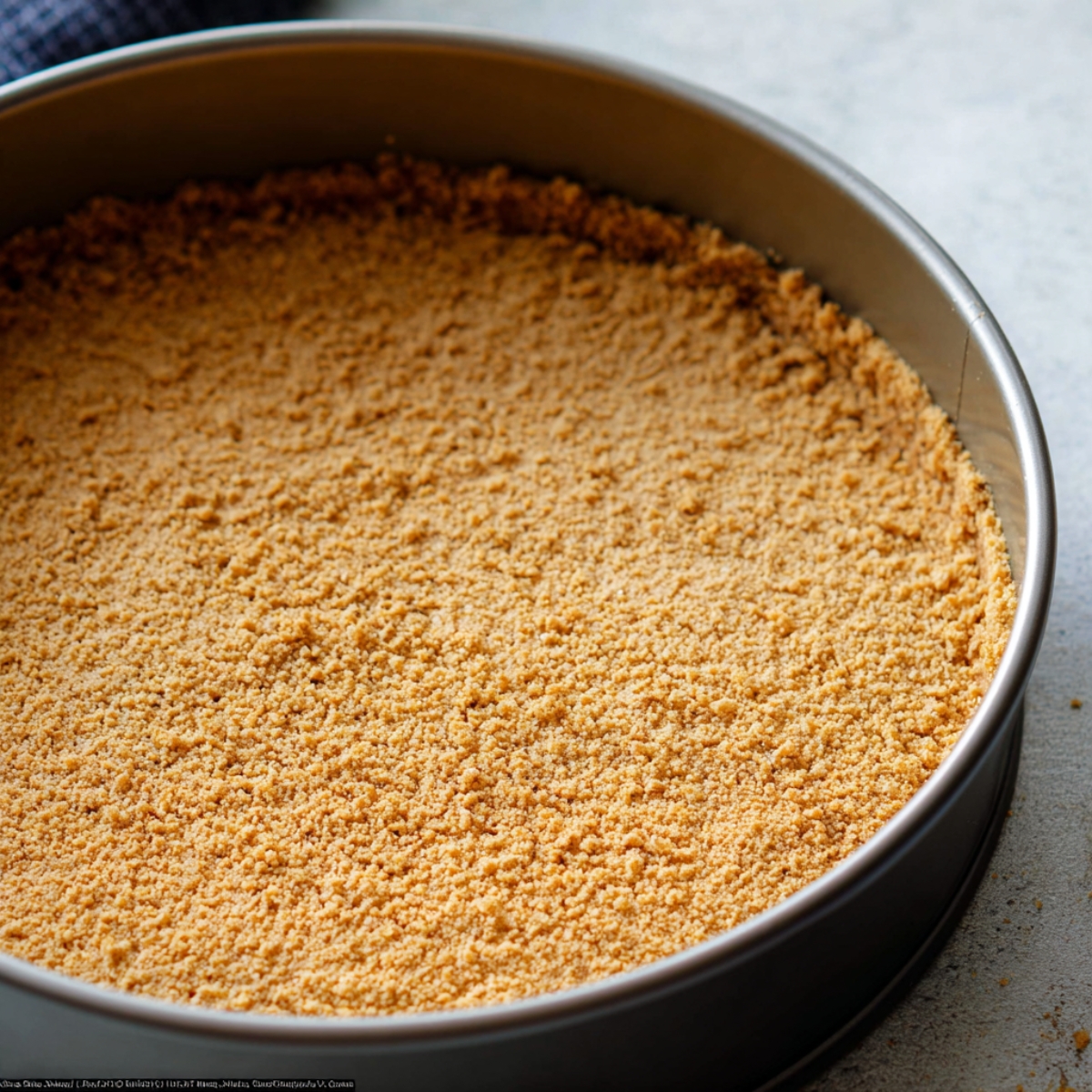
Preheat oven and prepare crust: Preheat your oven to 350°F (177°C) and position the rack in the lower-middle spot. If you're starting with full graham crackers, grind them into fine crumbs using a food processor or blender. In a medium bowl, mix the crumbs with sugar, then stir in the melted butter until everything looks like wet sand. Press this mixture firmly into the bottom and slightly up the sides of a 9-inch springform pan. Pre-bake for 10 minutes, then take it out and let it cool a bit. Set the pan on a large piece of aluminum foil.
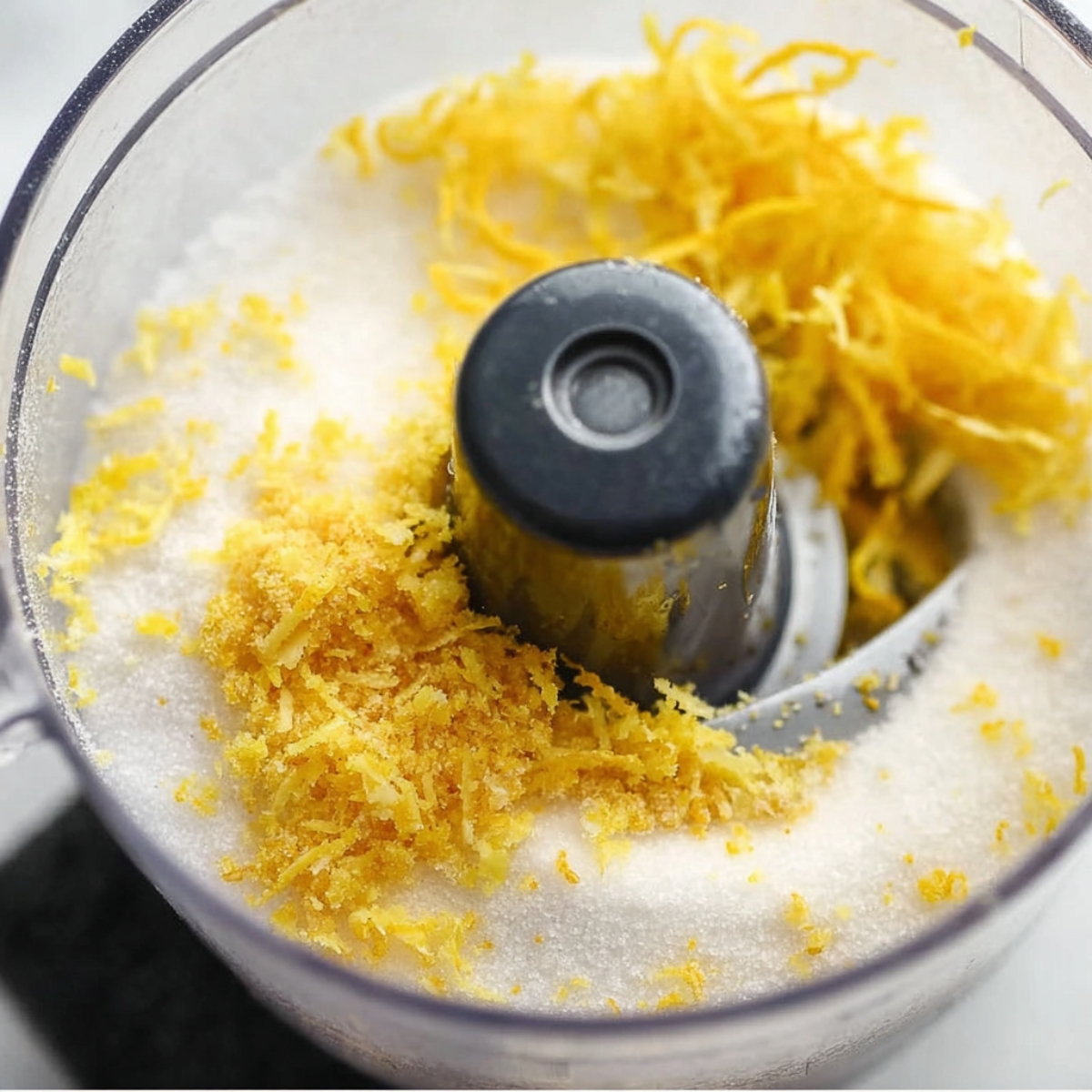
Make the lemon sugar: In a food processor or blender, pulse the sugar with lemon zest for about 10 to 12 pulses. The zest should be finely mixed into the sugar, releasing those bright citrus oils.
Prepare cheesecake filling: In a large bowl, beat the softened cream cheese and lemon sugar with a handheld or stand mixer on medium-high speed for about 2 minutes. The mixture should look smooth and creamy. Add the lemon juice, sour cream, and vanilla extract, and beat until combined. Add the eggs one at a time, beating just until each one disappears into the batter. Don't over-mix, or you'll add too much air.
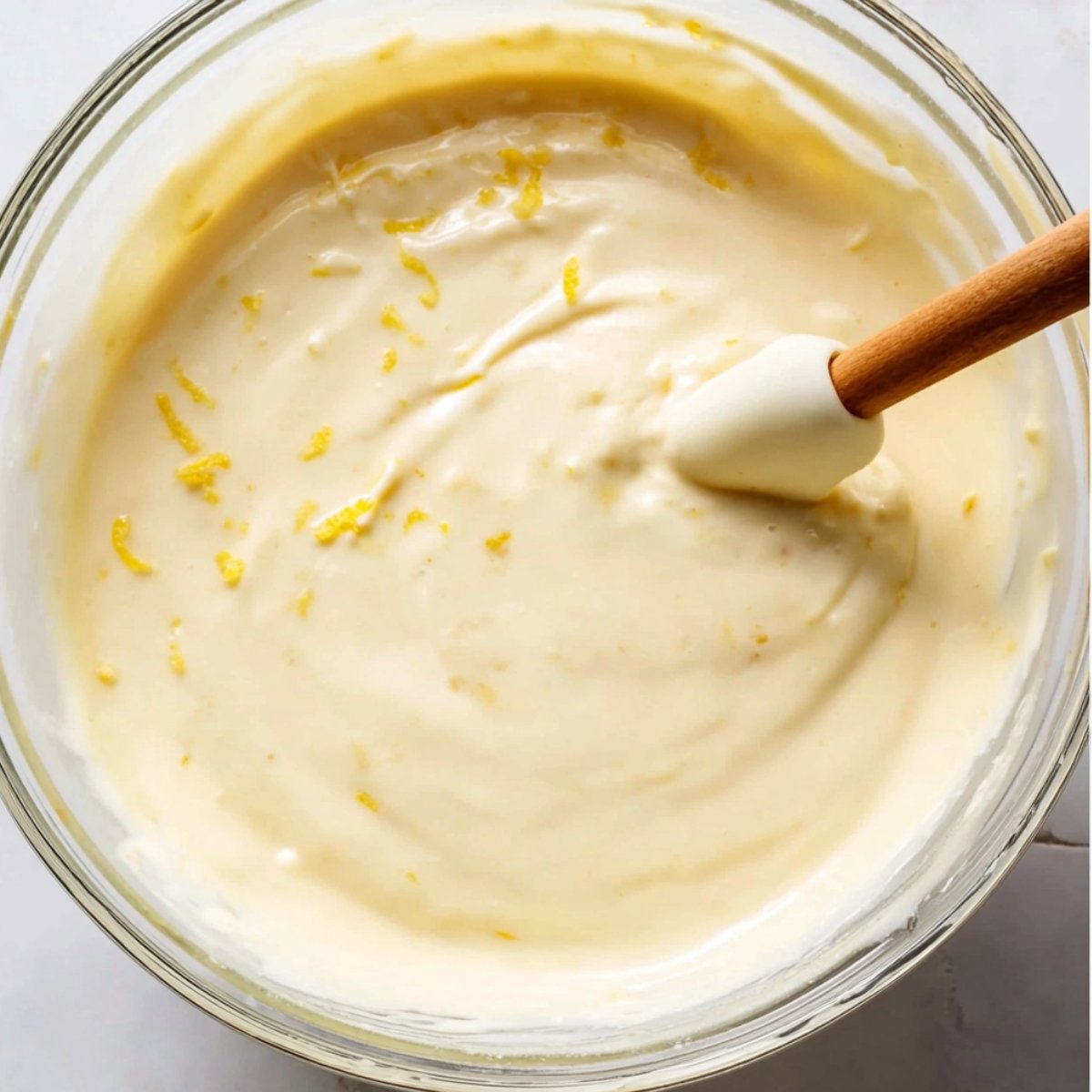
Assemble and smooth: Pour the cheesecake batter into the slightly cooled crust. Use a rubber spatula to smooth the top so it's nice and even.
Prepare water bath: Boil enough water to create a 1-inch layer in a roasting pan. Place the cheesecake pan in a large roasting pan and carefully pour the hot water around it. This water bath keeps the cheesecake moist and prevents cracks. Carefully slide the roasting pan into the oven.
Bake the cheesecake: Bake for 55 to 70 minutes. The edges should look set, but the center will still have a slight wobble when you gently shake the pan. If the top starts to brown too quickly, tent it loosely with aluminum foil. When the time is up, turn off the oven but leave the cheesecake inside with the door closed for another hour. This slow cooling process helps prevent cracks.
Cool and refrigerate: After the hour in the oven, remove the cheesecake and let it cool to room temperature on the counter. Once it's completely cool, spread the lemon curd over the top in an even layer. Cover and refrigerate for at least 4 hours, or better yet, overnight.
Serve: When you're ready to serve, run a thin knife around the edge of the pan to loosen the cheesecake, then carefully lift off the springform ring. Top with whipped cream, lemon slices, and fresh berries if you like. For clean slices, dip your knife in hot water and wipe it clean between cuts.
Substitutions and Variations
No sour cream? Use Greek yogurt instead. It has a similar tang and creamy texture.
Skip the water bath. You can bake the cheesecake without one, but it's more likely to crack. The flavor will still be great.
Use a different crust. Try vanilla wafer crumbs, shortbread cookies, or even crushed gingersnaps for a spicier base.
Make it no-bake. Use a no-bake Lemon Cheesecake base with gelatin, then add the lemon flavor. It won't be quite as rich, but it's faster.
Add blueberries or raspberries. Fold a handful of fresh berries into the batter before baking for bursts of fruity flavor.
Equipment For Lemon Cheesecake
- Food processor or blender: For grinding graham crackers and mixing the lemon sugar.
- Handheld or stand mixer: Beats the cream cheese smooth and incorporates the eggs without over-mixing.
- 9-inch springform pan: The removable sides make it easy to release the cheesecake without damaging it.
- Large roasting pan: Holds the water bath that keeps your cheesecake moist and crack-free.
- Offset spatula: Helps smooth the batter and spread the lemon curd evenly.
- Piping bag with Wilton 1M tip (optional): If you want to pipe pretty swirls of whipped cream on top.
Storage Tips
Refrigerator: Store covered in the fridge for up to 5 days. The cheesecake actually tastes better after a day or two.
Freezer: Wrap individual slices tightly in plastic wrap, then place in a freezer-safe container. Freeze for up to 2 months. Thaw in the fridge overnight before serving.
Lemon curd: If you're making the lemon curd separately, store it in a jar in the fridge for up to 2 weeks.
Serving Suggestions
With coffee or tea. The richness of the cheesecake pairs beautifully with a hot drink.
Fresh berry compote. Simmer strawberries or blueberries with a little sugar and lemon juice, then spoon over each slice.
Mint garnish. A small sprig of fresh mint adds a pop of color and a hint of freshness.
Vanilla ice cream. A small scoop on the side makes it feel like a restaurant dessert.
If you're serving this for a special occasion, it pairs wonderfully with other citrus desserts like my Easy Bee Sting Cake Recipe Takes 3 Simple Steps or the comforting Homemade Oatmeal Cream Pies.
Expert Tips
Room temperature ingredients are key. Cold cream cheese will leave lumps in your batter, and cold eggs don't blend as smoothly.
Don't over-mix. Once you add the eggs, mix just until combined. Too much air can cause cracks.
Use fresh lemon juice. The flavor is brighter and more natural than bottled juice.
Let it chill completely. Lemon Cheesecake needs time to set. Rushing this step will give you a soft, runny texture.
Wrap the pan in foil. This prevents water from seeping into the crust during the water bath.
Test for doneness. The center should still jiggle slightly when you gently shake the pan. It will firm up as it cools.
What You'll Love This Lemon Cheesecake
Easy to follow. The steps are straightforward, even if you've never made Lemon Cheesecake before.
Make-ahead friendly. This dessert actually tastes better the next day, after the flavors have had time to settle.
Impressive presentation. The lemon curd topping and optional berries make it look like something from a fancy bakery.
Balanced flavor. The tanginess of the lemon cuts through the richness of the cream cheese, so it never feels too heavy.
Perfect for celebrations. Birthday dinners, spring gatherings, Mother's Day, or just because you want something special.
FAQ
What is the secret to making good cheesecake?
Room temperature ingredients, a water bath, and patience. Don't rush the cooling process. Let the Lemon Cheesecake cool slowly in the oven with the door closed, then chill it completely in the fridge. My grandma always said, "Good cheesecake can't be hurried."
What does lemon do to cheesecake?
Lemon adds brightness and cuts through the richness of the cream cheese. The acidity balances the sweetness, so each bite feels lighter and more refreshing. It also gives the Lemon Cheesecake a beautiful golden color.
How many lemons for a lemon cheesecake?
You'll need about 4 to 5 lemons total. One lemon for the zest, and 3 to 4 more for the juice. Always use fresh lemons for the best flavor. Oliver once asked if we could use lemonade instead, and I had to explain that fresh is always better.
Is it better to bake or not bake a cheesecake?
Baked cheesecake has a denser, creamier texture and a richer flavor. No-bake cheesecake is lighter and faster, but it won't have the same depth. For this lemon cheesecake, baking is worth the extra time.
Related
Looking for other recipes like this? Try these:


Pairing
These are my favorite dishes to serve with Lemon Cheesecake



Lemon Cheesecake
Ingredients
Graham Cracker Crust:
- 2 cups graham cracker crumbs about 16 full graham crackers finely crushed
- 6 tablespoons unsalted butter melted, provides richness
- ⅓ cup granulated sugar adds sweetness and binds crust
Cheesecake Filling:
- 1and ½ cups granulated sugar sweetens filling
- 1 tablespoon lemon zest from 1 lemon adds citrus flavor
- 36 ounces cream cheese full-fat softened to room temperature for smooth texture
- 5 tablespoons fresh lemon juice from about 4 lemons adds tang
- ⅔ cup sour cream or plain yogurt adds creaminess and tang
- 1 teaspoon vanilla extract for depth of flavor
- 4 large eggs room temperature to ensure even mixing
Toppings:
- 1 cup lemon curd homemade or store-bought highly recommended
- Whipped cream optional for a light airy finish
- Lemon slices optional for garnish
- Fresh berries optional for garnish
Instructions
- Preheat your oven to 350°F (177°C) and adjust the oven rack to the lower-middle position.
- Prepare the crust: If using whole graham crackers, crush them in a food processor. Combine the crumbs with sugar and melted butter in a bowl until evenly mixed. Press this mixture into the bottom and sides of a 9-inch springform pan, making sure it's packed tightly. Bake for 10 minutes, then remove from oven.
- Make the lemon sugar: Place the sugar and lemon zest into a food processor. Blend for 10-12 pulses until the zest is well incorporated.
- Make the cheesecake filling: Beat the cream cheese and lemon sugar together in a large bowl using a stand or handheld mixer on medium-high speed until smooth, about 2 minutes. Add the lemon juice, sour cream, and vanilla, mixing until fully combined. On medium speed, add eggs one at a time, beating until just combined after each addition. Avoid overmixing.
- Pour the cheesecake batter into the slightly cooled crust, smoothing the top with a spatula.
- Prepare the water bath: Boil enough water to fill a large roasting pan with 1 inch of water. Place the springform pan in the roasting pan, then carefully pour the hot water into the roasting pan.
- Bake the cheesecake for 55-70 minutes or until the center is mostly set but still slightly wobbly when tapped. If it begins to brown too much, tent with aluminum foil halfway through baking. Once done, turn off the oven, crack the door, and let the cheesecake cool in the oven for 1 hour.
- Remove the cheesecake from the oven and the water bath. Let it cool completely at room temperature, uncovered.
- After cooling, spread the lemon curd over the cheesecake, leaving a small border around the edge.
- Refrigerate the cheesecake for at least 4 hours, preferably overnight, to allow it to set completely.
- Once chilled, loosen the edges with a knife and remove the springform pan. Top with whipped cream, lemon slices, and berries, if desired. Slice and serve.
Leave a Reply