
Soft, pillowy, buttery - this Spaetzle Recipe turns a handful of pantry basics into a bowl of cozy German noodles that taste like they came straight from a little Bavarian kitchen. The batter comes together in minutes, the noodles cook fast, and a quick toss in melted butter with fresh parsley is truly all they need. I made these for the first time on a rainy Sunday afternoon when I had nothing but eggs, flour, and milk, and they've been a regular at our dinner table ever since.
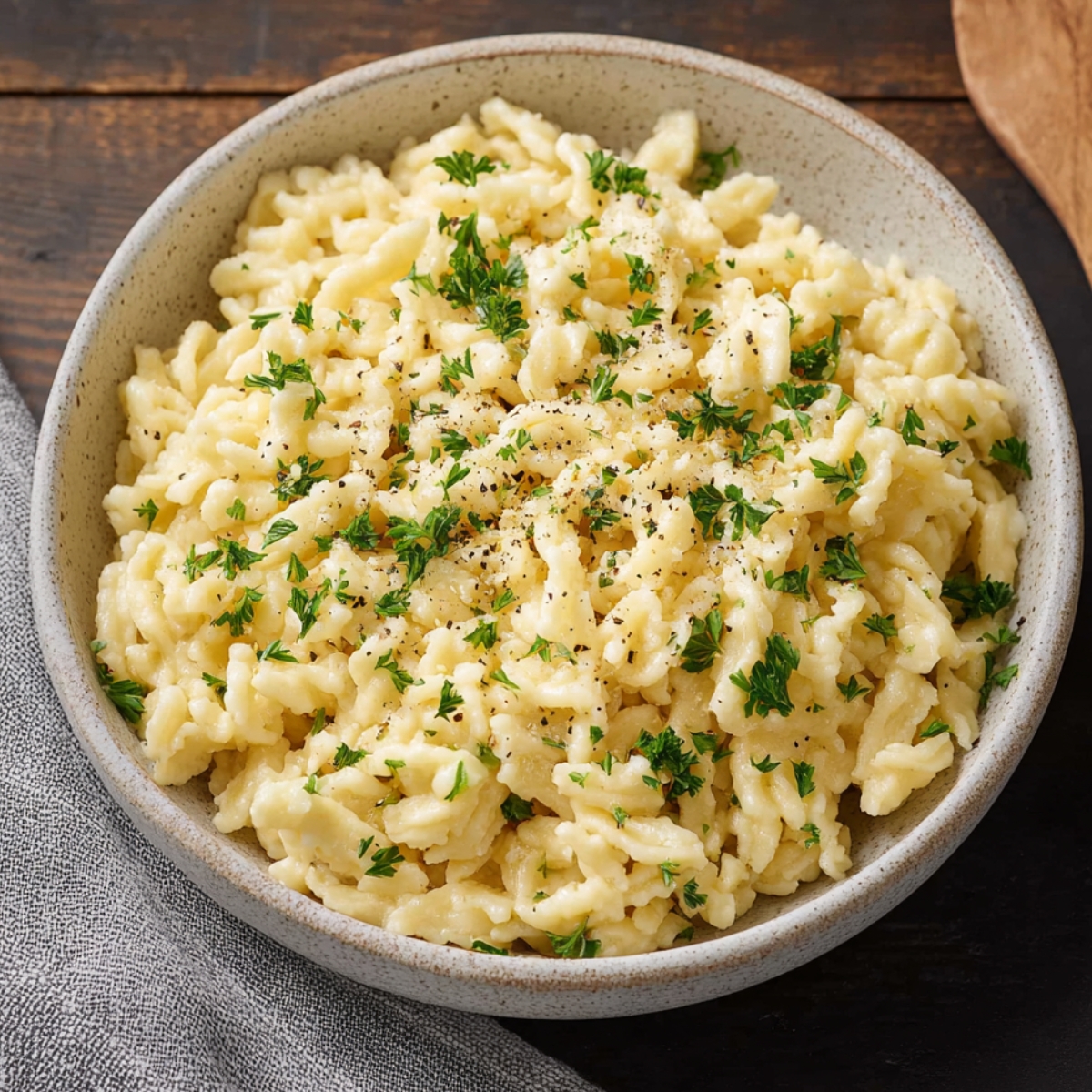

If you love cozy, no-fuss weeknight dinners, you might also enjoy my Mac and Cheese or this warming Chicken Adobo - both are budget-friendly and endlessly satisfying. And if you're looking for something hearty to serve alongside a rich braise, this Cattle Drive Casserole pairs beautifully with these homemade German noodles.
Why This Recipe Will Earn a Permanent Spot in Your Kitchen
- Pantry staples only - eggs, flour, milk, butter, and parsley. That's it.
- Fast to make - start to finish in 40 minutes, including the batter rest time.
- Endlessly versatile - serve as a simple side, toss with cheese for Kasespaetzle, or spoon a rich goulash right on top.
- Budget-friendly - the whole batch costs under $1.65 total, making it one of the most affordable comfort foods around.
- Beginner-friendly - no special equipment needed beyond a grater or colander with large holes.
Jump to:
Spaetzle Recipe Ingredients
Simple, honest ingredients - and every one of them pulls its weight.
See Recipe Card Below This Post For Ingredient Quantities
- Eggs : Eggs are the heart of this recipe. They add richness, bind the batter together, and give the finished noodles their characteristic soft, slightly chewy texture. Use large eggs at room temperature for the smoothest batter.
- Whole Milk : Milk thins the batter to the right consistency and adds a gentle creaminess. Whole milk works best here - lower-fat versions can make the batter a little thin and the noodles less tender.
- Salt : Salt seasons the noodles from the inside out. Don't skip salting the boiling water - that step is what keeps homemade German noodles from tasting flat.
- All-Purpose Flour : Flour gives the noodles their structure. All-purpose is the traditional choice for spaetzle noodles and creates the right balance of tender and chewy.
- Butter : Butter is the finishing touch that makes everything sing. It coats each noodle in a glossy, savory richness that turns a simple side into something you'll want to eat straight from the pan.
- Fresh Parsley : A small handful of parsley adds a bright, fresh note that balances the richness of the butter. It's the classic German touch for butter spaetzle.
How to Make Spaetzle Recipe
Read through once before you start - it goes quickly once the water is boiling.
Prepare ingredients: Gather all your ingredients together and set them near the stove. Having everything within reach makes the process smooth, especially once the water starts boiling.
Make the batter: In a large bowl, whisk together the eggs, milk, and salt until the mixture is smooth and uniform. Add the flour and stir until you have a thick, sticky batter - it should be noticeably thicker than pancake batter but not stiff or doughy. If it seems too thick to press through a grater, add 1 to 2 tablespoons more milk and stir again. Let the batter rest for 10 to 15 minutes. This short rest relaxes the gluten and makes the spaetzle more tender.
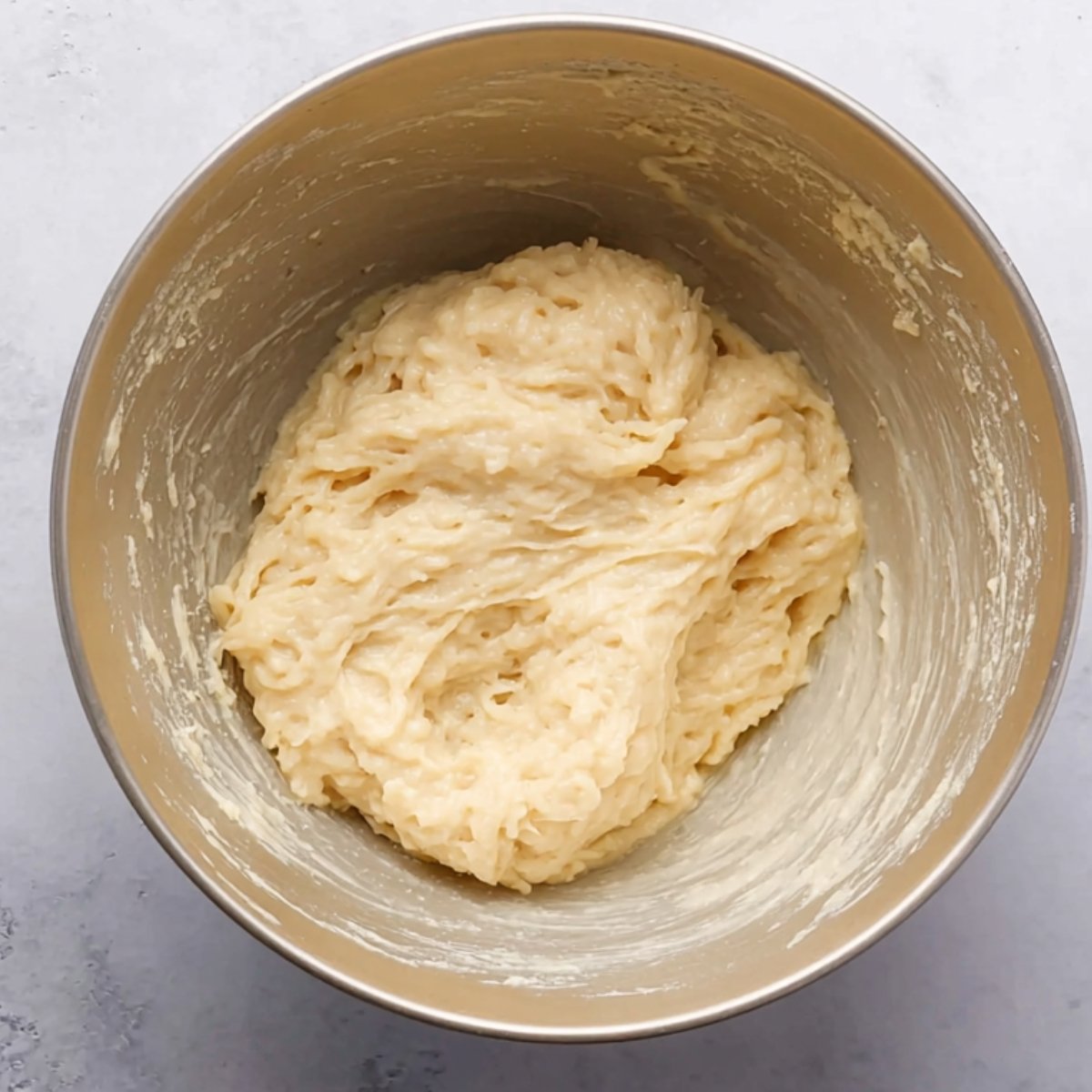
Boil water: Bring a large pot of water to a rolling boil and season it generously with salt. The water should taste pleasantly salty, like pasta water.
Form the spaetzle: Working in batches, spoon a portion of the batter onto the back of a large-holed grater or a colander set over the pot. Use the back of a spoon or a flexible spatula to press the batter through the holes so small, irregular noodles drop directly into the boiling water below. Don't worry if they look a little uneven - that's part of their charm.
Cook the noodles: The spaetzle will sink at first and then float to the surface in about 2 minutes. Once they're bobbing at the top, give them another 30 seconds, then scoop them out with a slotted spoon and transfer them to a bowl of ice water to stop the cooking. This keeps them from getting mushy. Continue pressing and cooking in batches until all the batter is used.
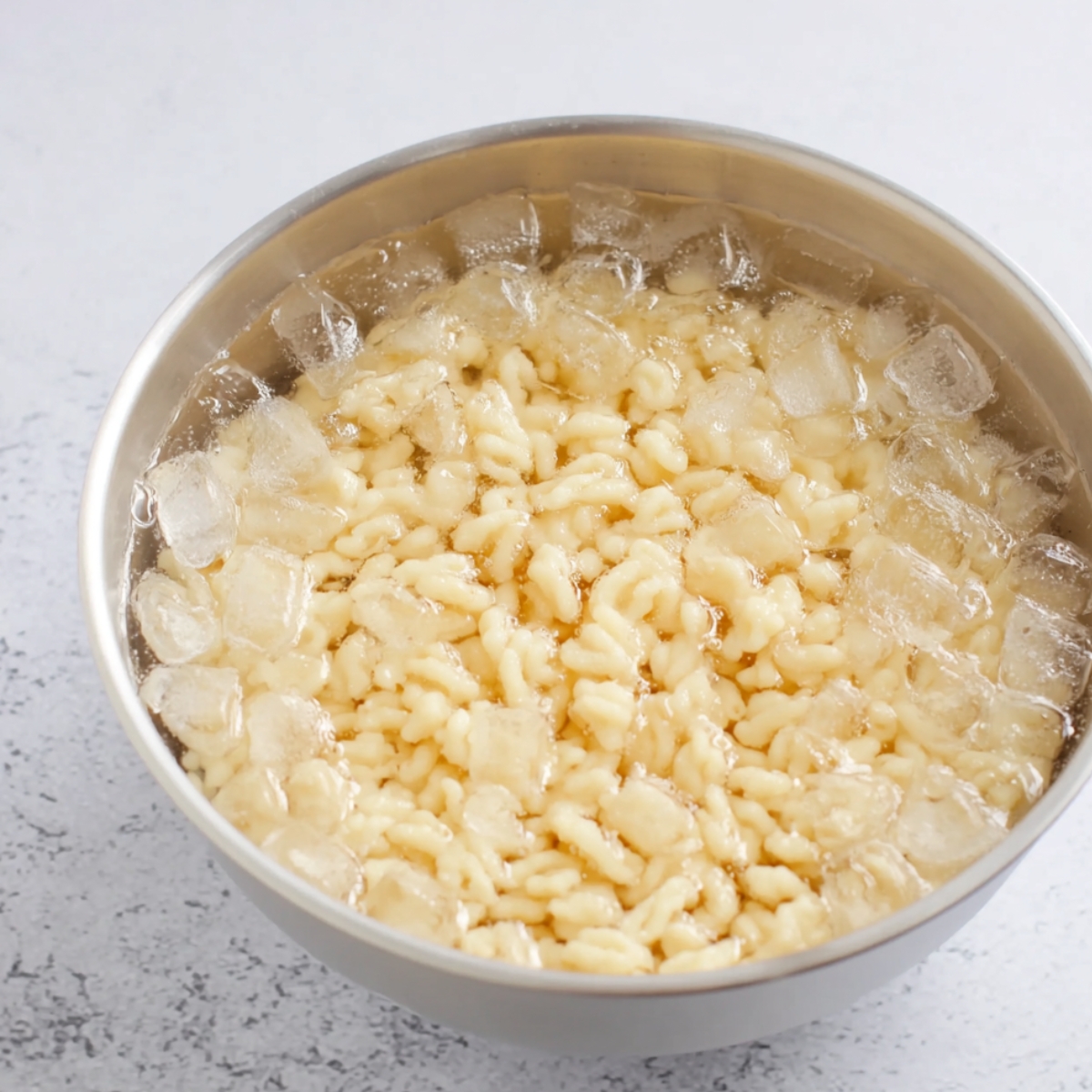
Finish the dish: Drain all the spaetzle thoroughly and shake off as much water as possible. In a large skillet, melt the butter over medium heat and let it foam slightly. Add the spaetzle and toss gently until each noodle is coated and warmed through, about 2 to 3 minutes. Season with salt and a little pepper if you like, scatter the fresh parsley on top, and serve hot.
Swaps and Substitutions
- Whole milk can be swapped for 2% milk in a pinch. The noodles will be slightly less rich but still delicious.
- For vegan spaetzle, try a combination of aquafaba and plant-based milk in place of the eggs and dairy milk. The texture will be a little different but still works as a homemade noodle.
- Fresh parsley can be replaced with chives, thyme, or skipped entirely if you're keeping it super simple.
- Butter spaetzle is the classic, but you can finish these in brown butter, olive oil, or even a little bacon fat for extra savory depth.
- If you want cheese spaetzle (Kasespaetzle), layer the cooked noodles with shredded Gruyere or Emmental and bake until melted and golden.
Equipement For Spaetzle Recipe
- Large mixing bowl
- Whisk
- Large pot
- Box grater (large holes) or a colander with large holes
- Spatula or the back of a large spoon
- Slotted spoon
- Large bowl with ice water for the ice bath
- Large skillet
How to Store Leftover Spaetzle Recipe
Leftover spaetzle keeps well in an airtight container in the refrigerator for up to 3 days. To reheat, toss them in a skillet with a small knob of butter over medium heat, stirring gently until warmed through. They reheat beautifully and taste almost as good as fresh. You can also freeze cooked spaetzle noodles in a zip-top bag for up to 2 months - spread them in a single layer on a baking sheet to freeze first, then transfer to a bag so they don't stick together.
Top Tip
- Let the batter rest. That 10 to 15 minute rest makes a real difference in texture. Don't skip it.
- Salt your water generously. Under-salted water means under-seasoned noodles, and you can't fix that later.
- Don't overcrowd the pot. Work in batches and give the noodles room to float up. Crowded pots lead to gummy results.
- The ice bath is your friend. It stops the cooking immediately and keeps the noodles springy and separate.
- Dry the noodles well before adding them to the skillet. Excess water makes the butter spatter and steams the noodles instead of sauteing them.
- For a little extra flavor, let the butter brown just slightly before adding the spaetzle. Nutty browned butter and fresh parsley is a combination worth every extra second.
How to Serve Spaetzle Recipe
Spaetzle noodles are wonderfully versatile. Here are a few of the best ways to enjoy them:
- Classic butter spaetzle - just as written here, finished with parsley. Perfect alongside roast chicken, pork schnitzel, or braised short ribs.
- With goulash - a hearty beef goulash spooned over a bowl of buttered spaetzle is one of the great Central European comfort foods. Pair it with a crusty roll and dinner is done.
- Kasespaetzle style - layer the warm noodles with a generous amount of melted cheese and top with crispy caramelized onions. Think of it as the German answer to mac and cheese.
- As a side to Spanish Paella or any festive table spread - the mild, buttery flavor of spaetzle pairs well with bold, saucy mains.
Looking for more hearty dinner ideas? Try my Vegan Lentil Loaf for a plant-based main, or dig into this classic Spanish Paella for a full spread.
FAQ
What do you eat spaetzle with?
Spaetzle is traditionally served as a side dish alongside rich, saucy mains like beef goulash, roast pork, braised short ribs, or chicken with gravy. In Germany and Austria, you'll also find it served simply with butter and fried onions, or layered with cheese for Kasespaetzle. It's one of those sides that works with almost anything that has a good sauce to soak up.
What's the best way to cook spaetzle?
The classic method is exactly what this recipe uses - pressing the batter through a large-holed grater or colander into boiling salted water, then finishing in a buttered skillet. The boiling cooks the noodles and the skillet step adds flavor and a little color. Some cooks like to use a dedicated spaetzle maker, which is a flat grater with a sliding tray, but a box grater works perfectly well. The most important tips are to salt the water generously, work in batches, and use an ice bath to stop cooking.
What do Germans use to make spaetzle?
Most German households use a Spaetzlehobel, which is a flat spaetzle maker with a sliding container that you run back and forth over a grated surface. It's efficient and produces very consistent noodles. However, a simple box grater with large holes or a colander works just as well for a home cook making spaetzle recipe from scratch. The tool matters a lot less than the batter consistency.
What makes spaetzle different from pasta?
The biggest difference is the process. Pasta dough is typically stiff, rolled out, and cut into shapes. Spaetzle batter is much wetter and is pushed directly through holes into boiling water, creating those small, irregular, slightly knobby noodles. Spaetzle also has a higher egg ratio than most pasta, which gives it a softer, more tender texture and a richer flavor. And while pasta is often Italian in spirit, these homemade German noodles are deeply tied to Central European cooking traditions.
Related
Looking for other recipes like this? Try these:


Pairing
These are my favorite dishes to serve with Spaetzle Recipe



Spaetzle
Ingredients
- 3 large eggs Fresh eggs preferred for a richer dough
- ½ cup whole milk Can substitute with water for a lighter texture
- ½ teaspoon salt Plus more for seasoning the water and to taste
- 2 cups all-purpose flour Use a good quality all-purpose flour
- 3 tablespoon butter For tossing the spaetzle
- 1 tablespoon fresh parsley Chopped for garnish
Instructions
- In a large mixing bowl, whisk together eggs, milk, and salt until smooth.
- Add the flour to the egg mixture and stir until you have a thick, sticky batter, slightly thicker than pancake batter. If the batter is too thick, add a tablespoon of milk at a time until it reaches the desired consistency. Rest the dough for 10-15 minutes.
- Bring a large pot of salted water to a boil. Once boiling, reduce the heat to a gentle simmer.
- Working in batches, spoon portions of the batter onto a large-holed grater or colander set over the pot of simmering water. Use a spoon or spatula to press the batter through the holes, allowing small "noodles" to fall into the water.
- Once the spaetzle rises to the surface of the water (about 2 minutes), use a slotted spoon to remove them and transfer them to a clean dish. Repeat until all the dough is used.
- In a large skillet, melt the butter over medium heat. Once melted, add the cooked spaetzle and toss until lightly coated and warmed through. Season with additional salt and pepper if desired. Finish by sprinkling with fresh parsley and serve.




Leave a Reply